The allure of chance and risk
Casino games are designed to captivate players with the thrill of chance and risk. The psychological allure of uncertainty plays a significant role in the choices gamblers make. Many are drawn to the excitement of not knowing whether they will win or lose, which stimulates the brain’s reward system. This dopamine rush can lead to a cycle of chasing wins, often overshadowing the potential risks involved. Even those who might prefer options like casinos not on gamstop find themselves caught in this cycle.
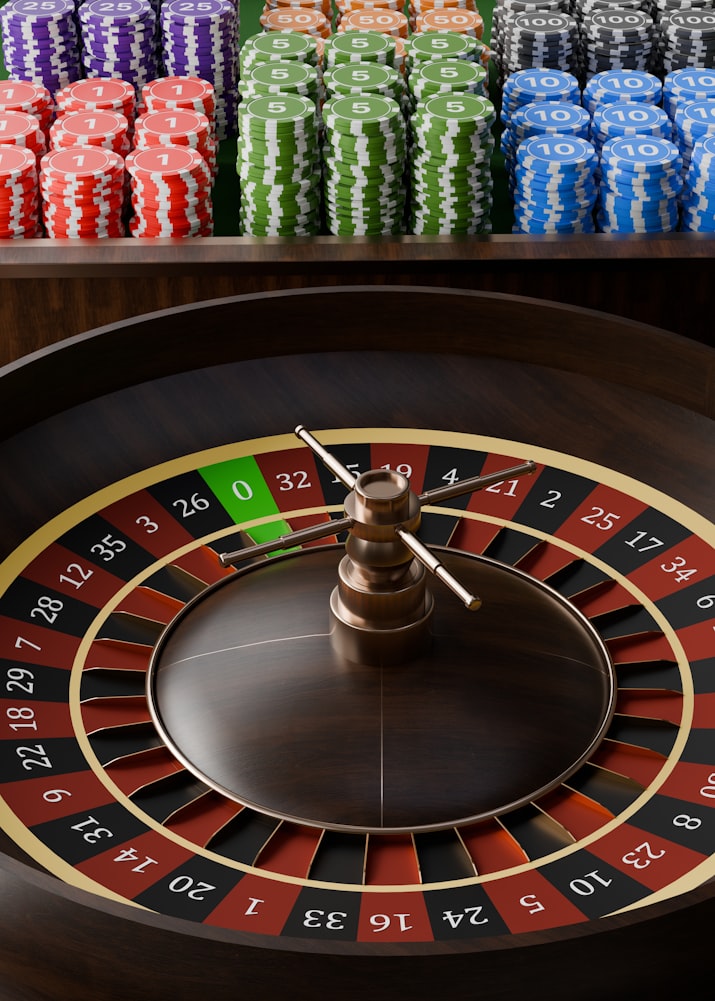
The dichotomy of risking money for potential rewards activates various cognitive biases. Players might engage in optimistic bias, believing they have better odds than they actually do. This can lead to a preference for games that appear to offer a greater chance of success, despite the odds being similar across different types of games.
Personal characteristics and gaming preferences
Individual personality traits significantly influence how players choose their casino games. For instance, extroverted individuals may prefer social games like poker, where interaction with other players enhances their experience. In contrast, introverted players might gravitate towards solitary games like slots, where they can engage with the game without social pressure.
Moreover, factors such as risk tolerance and past experiences also shape gaming preferences. Players who enjoy high-stakes environments might be more inclined to participate in high-risk games, seeking the adrenaline rush they provide. Conversely, those who favor safer investment strategies tend to stick to low-risk options, preferring games with less volatility.
The impact of marketing and design
The casino industry invests heavily in marketing strategies that appeal to various psychological triggers. Color schemes, sounds, and lighting are meticulously crafted to enhance the gaming experience. For example, vibrant colors and exciting sounds are designed to create an immersive environment that keeps players engaged for longer periods.
Additionally, promotional offers and bonuses are strategically presented to entice players. The concept of “loss aversion” comes into play here; players are more motivated to engage in a game if they perceive they are getting value, such as free spins or bonuses, which can increase their likelihood of making a choice to play.
The role of cognitive biases in decision-making
Cognitive biases significantly affect how players perceive their chances in casino games. Concepts such as the “gambler’s fallacy,” where players believe that past outcomes influence future results, can lead to irrational choices. This fallacy can cause players to continue betting after a losing streak, hoping that a win is “due,” despite the odds remaining unchanged.
Moreover, the “hot-hand fallacy” can also impact decision-making in games like blackjack. Players may feel that they are on a winning streak and continue placing bets as a result. Both biases illustrate how psychological factors can cloud rational judgment, leading to potentially detrimental gaming behaviors.

Exploring the website and its mission
This website serves as an informative platform focusing on understanding the intricate dynamics of casino gaming psychology. By providing insights into how various factors influence game choices, it aims to empower players to make informed decisions. The content is designed to educate users about the psychological elements at play in the casino environment.
Engagement with the website encourages a deeper understanding of personal gaming behaviors, promoting healthier gaming habits. It also offers community resources that support awareness and responsible gaming practices, allowing users to navigate their gaming experiences with greater mindfulness.